
Башня из нержавеющей стали: полное промышленное руководство по проектированию, производительности и практическому применению
Сталкивались ли вы когда-нибудь с такими проблемами, как коррозия внутри башенной системы, нестабильная эффективность разделения или рост затрат на техническое обслуживание химического технологического оборудования?
Из моего опыта работы с промышленными системами хранения и оборудованием с футеровкой из фторполимера я понял, что выбор правильной конструкции башни является одним из наиболее важных решений в химическом, нефтехимическом и электронном химическом производстве. Плохо выбранная башня может привести к неэффективности, загрязнению или даже риску безопасности.
Башни из нержавеющей стали широко используются, поскольку они обеспечивают высокие механические характеристики, длительный срок службы и стабильную работу в сложных условиях. Однако в зависимости от химической среды, температуры и условий процесса могут потребоваться дополнительные решения, такие как футеровка из ПТФЭ.
В этой статье я поделюсь практическими идеями из реальных инженерных проектов, объясню, как работает башня из нержавеющей стали, сравню различные материалы и проведу вас в выборе, эксплуатации и обслуживании простым и практичным способом.
На этой странице
Что такое башня из нержавеющей стали?
Как работает башенная система в промышленной переработке
Ключевые преимущества конструкции башни из нержавеющей стали
Распространенное промышленное применение башенных систем
Башня из нержавеющей стали по сравнению с другими материалами
Как выбрать правильную башню для проекта
Рекомендации по техническому обслуживанию и эксплуатации
Часто задаваемые вопросы
Башня из нержавеющей стали — это вертикальная промышленная конструкция, используемая для процессов массообмена, реакции, разделения или очистки. Он широко используется в химико-технологических системах, где требуется взаимодействие газ-жидкость или жидкость-жидкость.
Типичная система Tower включает в себя:
Корпус башни (корпус из нержавеющей стали)
Внутренние лотки или упаковка
Система распределения жидкости
Секции входа и выхода газа
Структуры поддержки
В зависимости от процесса башня может также включать в себя структурированную насадку, случайную насадку или тарелки для повышения эффективности.
В моих проектах башни из нержавеющей стали часто выбираются из-за их баланса между прочностью, устойчивостью к коррозии и экономической эффективностью.
Башня работает за счет увеличения контакта между двумя фазами, обычно газом и жидкостью.
Вот простое объяснение, основанное на реальном инженерном использовании:
Жидкость течет вниз внутри башни
Газ течет вверх
Внутри башни упаковка или лотки увеличивают площадь контакта.
Во время этого контакта происходит массовый перенос
Вот почему башни широко используются в:
Абсорбционные процессы
Системы дистилляции
Зачистные работы
Системы химических реакций
Эффективность башни из нержавеющей стали во многом зависит от внутренней конструкции, а не только от самого материала.
Нержавеющая сталь обеспечивает превосходную механическую стабильность, особенно при:
Высокое давление
Высокая температура
Непрерывная промышленная эксплуатация
В зависимости от марки (304, 316, дуплекс) башни из нержавеющей стали устойчивы ко многим промышленным химикатам.
Однако для высококоррозионных сред я часто рекомендую системы с футеровкой из ПТФЭ для лучшей защиты.
Правильно спроектированная башня из нержавеющей стали может работать десятилетиями при правильном обслуживании.
Нержавеющая сталь позволяет:
Сварка
Индивидуальная форма
Внутренние обновления
Это со временем упрощает оптимизацию системы.
Используется для:
Очистка кислого газа
Восстановление растворителя
Химическое разделение
Используется в:
Процессы нефтепереработки
Разделение углеводородов
Очистка газа
Среды высокой чистоты требуют:
Чистые системы разделения
Низкий риск загрязнения
Используется в:
Очистка отходящих газов
Скрубберные системы
Контроль выбросов
Применяется в:
Очистка газа
Процессы теплообмена
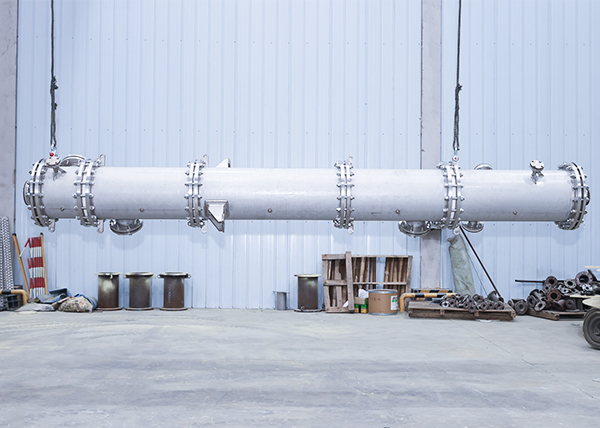
Ниже приводится практическое сравнение, основанное на инженерных данных и промышленном опыте.
| Материал | Сила | Коррозионная стойкость | Температурная устойчивость | Уровень затрат |
|---|---|---|---|---|
| Углеродистая сталь | Высокий | Середина | Высокий | Низкий |
| Нержавеющая сталь 304 | Высокий | Хороший | Высокий | Середина |
| Нержавеющая сталь 316 | Высокий | Очень хороший | Высокий | Выше |
| Стальная башня с футеровкой из ПТФЭ | Высокий | Отличный | Высокий | Самый высокий |
Источник: стандарты проектирования промышленного химического оборудования и технические данные производителя (ASM, справочники по химическому технологическому оборудованию).
| Тип башни | Средний срок службы |
|---|---|
| Башня из углеродистой стали | 10–15 лет |
| Башня из нержавеющей стали | 20–30 лет |
| Башня с футеровкой из ПТФЭ | 25–35+ лет |
Источник: исследования жизненного цикла промышленного оборудования на основе записей технического обслуживания химического машиностроения и эксплуатационных данных OEM.
| Промышленность | Башня из нержавеющей стали | Башня с футеровкой из ПТФЭ |
|---|---|---|
| нефтехимическая | Подходящий | Отличный |
| Химическая обработка | Хороший | Отличный |
| Полупроводниковая химия | Ограниченный | Отличный |
| Очистка отходящих газов | Хороший | Отличный |
Источник: Руководства по применению фторполимеров и справочники по проектированию промышленных процессов.
Когда я проектирую или рекомендую систему Tower, я всегда начинаю с реальных условий технологического процесса.
Я спрашиваю:
Является ли химическое вещество коррозионным?
Это высокая чистота?
Содержит ли он твердые частицы или примеси?
Ключевые параметры включают в себя:
Диапазон температур
Уровень давления
Скорость потока
Опции включают в себя:
Случайная упаковка (низкая стоимость, гибкая)
Структурированная упаковка (высокая эффективность)
Лоточные системы (стабильная работа)
Здесь выбираются решения из нержавеющей стали или с покрытием из ПТФЭ.
Для агрессивных химикатов я часто рекомендую растворы, аналогичные тем, которые используются в системах Jiangsu Jiexin New Material Co., Ltd.
Я всегда балансирую:
Первоначальные инвестиции
Стоимость обслуживания
Риск простоя
Более дешевая башня не всегда более рентабельна в долгосрочной перспективе.
Даже высококачественная башня из нержавеющей стали требует надлежащего ухода.
Проверять:
Сварные соединения
Внутренняя коррозия
Состояние упаковки
Нестабильное давление часто свидетельствует о:
Блокировка
Загрязнение
Дисбаланс потока
В зависимости от типа процесса:
Промывка водой
Химическая очистка
Очистка паром
По моему опыту, профилактическое обслуживание сокращает время простоя более чем на 30%.
Он используется для процессов разделения, очистки и химических реакций в таких отраслях, как химическая, нефтехимическая и экологическая инженерия.
Нержавеющая сталь обеспечивает хорошую общую устойчивость к коррозии, а башни с покрытием из ПТФЭ обеспечивают превосходную защиту от агрессивных химикатов.
Обычно 20–30 лет в зависимости от условий эксплуатации и технического обслуживания.
Да, но во многих случаях рекомендуется использовать облицованную конструкцию из соображений безопасности и долговечности.
Внутренняя конструкция, тип насадки, распределение потока и условия эксплуатации более важны, чем сам материал корпуса.
Мой инженерный опыт показывает, что башня из нержавеющей стали остается одним из самых надежных и широко используемых решений в промышленных технологических системах. Его прочность, универсальность и длительный срок службы делают его пригодным для многих применений, от нефтехимической переработки до очистки окружающей среды.
Однако при работе с агрессивными химическими веществами или требованиями высокой чистоты переход на системы с футеровкой из ПТФЭ может значительно повысить безопасность и производительность.
В Jiangsu Jiexin New Material Co., Ltd. мы специализируемся на предоставлении передовых башенных систем, оборудования с футеровкой из фторполимера и комплексных технологических решений для мировых отраслей промышленности. Наша цель — помочь клиентам добиться более безопасной эксплуатации, повышения эффективности и увеличения срока службы оборудования.
Хорошо спроектированная Башня – это не просто оборудование, это основа стабильного промышленного производства.
Адрес: №1, улица Цзинпоху, индустриальный парк Сусу, город Сюцян, провинция Цзянсу, Китай
Сюй Хао: +86 13813955525
Сюй Ган: +86 15189058237
Электронная почта: zhaojiguang@jsjcxcl.com.cn


Авторские права © 2023 Цзянсу Цзечуан Новые материалы Co., Ltd. карта сайта
Этот веб-сайт использует файлы cookie, чтобы обеспечить вам максимально эффективное использование нашего веб-сайта.

 English
 日本語
日本語 한국어
한국어 हिन्दी



 WhatsApp
 телефон