
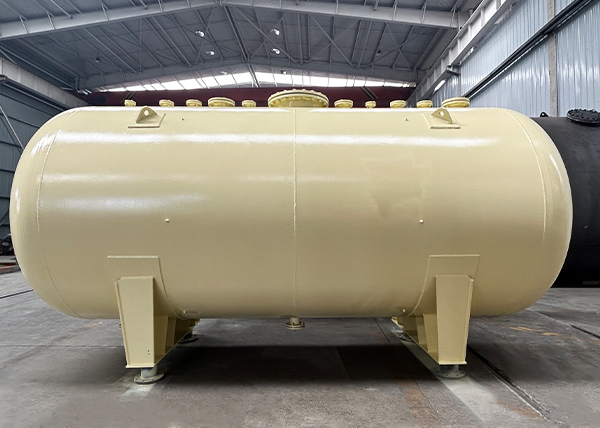
If you are asking where can I buy reliable PTFE equipment, the best answer is to focus on
trusted industrial channels, verified technical specifications, and suppliers that can demonstrate
material quality, manufacturing consistency, and application support. PTFE equipment is widely used in
chemical processing, laboratory operations, pharmaceuticals, semiconductor production, food handling,
and other demanding industries because PTFE offers exceptional chemical resistance, low friction, high
purity, and excellent thermal stability.
This guide is written for buyers, engineers, procurement teams, and website visitors who want a
SEO-friendly PTFE equipment resource that explains what PTFE equipment is, what to
look for, how to compare products, typical specifications, key advantages, and the most reliable
purchasing channels. The content below is intentionally broad and industry-focused, without recommending
specific companies, so it can be used in a blog post, directory page, category page, or industry landing
page.
PTFE equipment refers to products, components, vessels, fittings, liners, seals, tubing, valves, tanks,
and custom parts made from or lined with polytetrafluoroethylene (PTFE). PTFE is a
fluoropolymer known for its outstanding resistance to aggressive chemicals, high-temperature performance,
non-stick surface properties, and extremely low coefficient of friction.
In industrial environments, PTFE equipment is often selected when standard plastics, metals, or rubber
components cannot withstand corrosive media, elevated temperatures, contamination concerns, or long-term
wear. Because of this, PTFE equipment is commonly found in:
Buyers search for reliable PTFE equipment because PTFE delivers a combination of
performance characteristics that are difficult to match with other materials. In demanding applications,
the wrong material can lead to premature failure, leakage, contamination, downtime, and safety risks.
PTFE helps reduce these risks through its unique material properties.
| PTFE Property | Typical Benefit in Equipment |
|---|---|
| Chemical resistance | Suitable for strong acids, bases, solvents, and aggressive process fluids |
| High thermal stability | Performs well in elevated temperature environments |
| Low friction | Reduces wear, improves flow behavior, and helps with moving parts |
| Non-stick surface | Minimizes buildup, residue, and product retention |
| Electrical insulation | Useful in electronic and specialized technical applications |
| High purity | Supports clean processing and contamination-sensitive systems |
| Weather and aging resistance | Helps maintain performance over time in harsh environments |
If your goal is to buy reliable PTFE equipment, there are several common purchasing
channels. Each channel has advantages depending on whether you need standard parts, custom-engineered
solutions, or high-volume industrial supply.
Industrial suppliers are one of the most common sources for PTFE equipment. They usually offer a wide
range of PTFE products such as tubing, gaskets, seals, fittings, lined components, and process hardware.
These suppliers are often suitable for buyers who need standard specifications, reasonable lead times, and
general industrial compatibility.
Look for suppliers that clearly publish:
Laboratories often require PTFE equipment for fluid transfer, sample handling, sealing, and contamination
control. Scientific equipment channels may provide PTFE containers, stir bars, tubing, bottles, septa,
stopcocks, and other components used in research and testing environments.
This source is especially useful if you need:
For specialized systems, custom PTFE fabrication may be the most reliable option. Custom manufacturers can
produce lined vessels, machined PTFE parts, bespoke seals, large-format components, and complex assemblies
based on your technical drawings or performance requirements.
Custom sourcing is often appropriate when:
Original equipment manufacturers and process integrators may include PTFE components as part of complete
systems. This can be useful when you need compatibility between pumps, valves, seals, piping, and
containment systems. Buying through an integrator can simplify engineering and installation.
This route is especially useful for:
Many buyers use B2B marketplaces to compare PTFE equipment from multiple sellers. These platforms can be
convenient for price comparison and product discovery, but reliability depends on the accuracy of listings,
seller credibility, and document verification.
When purchasing through online marketplaces, always confirm:
Reliability is one of the most important factors when buying PTFE equipment. Because PTFE is used in
critical processes, a low-quality product can create serious operational problems. Use the following
checklist to evaluate PTFE equipment before purchasing.
| Evaluation Factor | What to Check | Why It Matters |
|---|---|---|
| Material purity | Virgin PTFE vs. filled or recycled material | Affects chemical resistance, purity, and performance consistency |
| Dimensional accuracy | Tolerances, wall thickness, and fit | Ensures proper sealing and system compatibility |
| Temperature rating | Maximum operating temperature | Prevents softening, deformation, or performance loss |
| Pressure rating | Working pressure and burst safety margin | Critical for safe operation in fluid systems |
| Chemical compatibility | Exposure to acids, bases, solvents, oxidizers | Reduces corrosion and failure risk |
| Surface quality | Finish, roughness, and contamination control | Important for purity-sensitive applications |
| Documentation | Datasheets, test reports, certificates | Supports procurement decisions and traceability |
| Manufacturing consistency | Batch uniformity and inspection standards | Ensures repeatable performance across orders |
PTFE equipment is available in many forms. The right choice depends on the application, environment, and
process requirements. Below are some of the most common PTFE equipment categories.
PTFE tubing is widely used for chemical transfer, laboratory fluid handling, and high-purity flow
applications. It offers excellent resistance to aggressive substances and maintains flexibility in many
installations.
PTFE gaskets and seals are used to create leak-resistant connections in piping, vessels, and equipment
assemblies. They are valued for their inertness and resistance to harsh media.
PTFE valves and fittings are used where chemical compatibility and low contamination are essential.
These parts are often selected for corrosive fluid handling and precision flow control.
PTFE linings are applied to metal tanks, pipes, and reactors to protect the base structure from chemical
attack. This approach combines mechanical strength with chemical resistance.
PTFE sheet and rod stock is used for machining custom components such as bushings, spacers, washers,
blocks, and insulation parts. These materials are useful in engineered systems and prototype development.
PTFE labware includes beakers, containers, caps, stir accessories, and transfer parts designed for clean
chemical handling in research and testing environments.
There are many reasons why industrial buyers search for PTFE equipment. The material offers a strong
combination of durability, chemical safety, and versatility.
| Advantage | Practical Benefit |
|---|---|
| Excellent corrosion resistance | Helps equipment survive exposure to aggressive chemicals |
| Long service life | Reduces replacement frequency and maintenance cost |
| Low friction | Improves wear resistance and smooth operation |
| High purity | Suitable for clean and contamination-sensitive processes |
| Wide application range | Useful in industrial, laboratory, and technical settings |
| Non-reactive surface | Minimizes interaction with process media |
| Thermal stability | Performs under demanding process temperatures |
PTFE equipment specifications vary depending on product type, manufacturing method, and application.
The table below provides a general reference for common PTFE equipment categories. Actual values may
differ by product design and supplier.
| PTFE Equipment Type | Common Specification Range | Typical Use |
|---|---|---|
| PTFE tubing | Small bore to large bore; flexible or semi-rigid; various wall thicknesses | Fluid transfer, lab lines, chemical delivery |
| PTFE gaskets | Custom cut or standard sizes; flat, envelope, expanded PTFE | Sealing flanges, vessels, and pipe connections |
| PTFE valves | Manual or automated; various port sizes and pressure ratings | Flow control for corrosive fluids |
| PTFE fittings | Threaded, compression, weldable, or custom connection types | Connecting process lines and instruments |
| PTFE liners | Applied thickness varies by vessel or pipe size | Protection of metal equipment from corrosion |
| PTFE sheets | Various thicknesses, cut sizes, and surface finishes | Machining, insulation, chemical barriers |
| PTFE rods | Multiple diameters and lengths for machining | Custom parts, wear components, and prototypes |
| PTFE labware | Precision molded or machined parts in small formats | Analytical, research, and high-purity applications |
To buy reliable PTFE equipment, ask the right questions before placing an order. This helps you avoid
performance issues and ensures the product is fit for purpose.
Buyers often compare PTFE equipment with alternatives such as polypropylene, PVDF, stainless steel,
silicone, and other fluoropolymers. The right choice depends on chemical exposure, mechanical strength,
cost, and operating temperature.
| Material | Main Strength | Common Limitation Compared to PTFE |
|---|---|---|
| PTFE | Exceptional chemical resistance and low friction | May have lower mechanical stiffness than metals |
| PVDF | Good chemical resistance with better rigidity | Not as universally resistant as PTFE |
| Polypropylene | Cost-effective for many chemical applications | Lower temperature resistance than PTFE |
| Stainless steel | High strength and structural durability | Can corrode in some aggressive chemical environments |
| Silicone | Flexible and useful for sealing | Limited chemical resistance in harsh media |
Since the user question is where can I buy reliable PTFE equipment, supplier selection is
critical. A reliable supplier should not only provide the product but also support your decision with
documentation, engineering knowledge, and consistent quality control.
Use these criteria when reviewing suppliers:
PTFE equipment is used across a wide range of sectors. Understanding the application helps you choose the
correct product category, specification, and purchase channel.
| Industry | Typical PTFE Equipment Use |
|---|---|
| Chemical processing | Linings, valves, tubing, seals, piping components |
| Pharmaceuticals | High-purity tubing, seals, labware, fluid transfer parts |
| Biotechnology | Contamination-resistant components and inert contact surfaces |
| Semiconductors | Ultra-clean fluid handling and chemical delivery parts |
| Food and beverage | Non-stick, inert, and easy-to-clean contact parts |
| Water treatment | Chemical-resistant fittings, seals, and process components |
| Research laboratories | Small-format labware, tubing, containers, and seals |
| Electronics | Electrical insulation and chemical handling components |
Online purchasing can be efficient, but it requires careful verification. To reduce risk, use a structured
buying process.
High-quality PTFE equipment usually shows consistency in appearance, dimensions, finish, and performance
documentation. While visual inspection is not enough by itself, it can reveal important clues.
Many purchase problems can be avoided by understanding common mistakes. Buyers often focus only on price,
but PTFE equipment must also be evaluated for technical suitability and quality.
| Mistake | Possible Result |
|---|---|
| Choosing based on price alone | Poor quality, inconsistent performance, or early failure |
| Ignoring chemical compatibility | Damage, swelling, degradation, or contamination |
| Overlooking pressure and temperature ratings | Safety risks and process interruption |
| Failing to verify dimensions | Poor fit and installation problems |
| Not requesting documentation | Limited traceability and compliance concerns |
| Using the wrong PTFE grade | Reduced performance in specialized applications |
Understanding common terminology helps buyers compare products and interpret supplier documents.
| Term | Meaning |
|---|---|
| Virgin PTFE | Pure PTFE material without fillers or additives |
| Filled PTFE | PTFE blended with fillers to improve strength, wear, or conductivity |
| Expanded PTFE | PTFE processed for improved sealing performance and compressibility |
| Chemical compatibility | Ability of PTFE to resist damage from a specific chemical |
| Operating temperature | Temperature range in which the equipment can function effectively |
| Working pressure | Maximum recommended pressure during normal use |
| Traceability | Ability to track product origin, batch, or inspection data |
Before you buy PTFE equipment, use this checklist to improve sourcing accuracy and reduce procurement
risk.
The best answer to where can I buy reliable PTFE equipment is that reliable PTFE
equipment can be purchased through industrial suppliers, laboratory channels, custom fabrication
workshops, OEM integrators, and verified B2B marketplaces. The right source depends on your application,
order size, technical complexity, and documentation needs.
To make the best buying decision, focus on material quality, dimensional accuracy, chemical compatibility,
pressure and temperature ratings, traceability, and supplier transparency. PTFE equipment is a long-term
investment in process safety, equipment reliability, and operational efficiency. By using the criteria and
tables in this guide, buyers can source PTFE equipment with greater confidence and reduce the risk of
specification errors, poor fit, and premature failure.
Whether you are buying PTFE tubing, PTFE gaskets, PTFE valves, PTFE liners, PTFE sheets, or custom PTFE
parts, the most reliable option is always the one that matches your technical requirements and comes with
clear quality assurance support.
```
Адрес: №1, улица Цзинпоху, индустриальный парк Сусу, город Сюцян, провинция Цзянсу, Китай
Сюй Хао: +86 13813955525
Сюй Ган: +86 15189058237
Электронная почта: zhaojiguang@jsjcxcl.com.cn


Авторские права © 2023 Цзянсу Цзечуан Новые материалы Co., Ltd. карта сайта
Этот веб-сайт использует файлы cookie, чтобы обеспечить вам максимально эффективное использование нашего веб-сайта.

 English
 日本語
日本語 한국어
한국어 हिन्दी



 WhatsApp
 телефон
Комментарий
(0)