
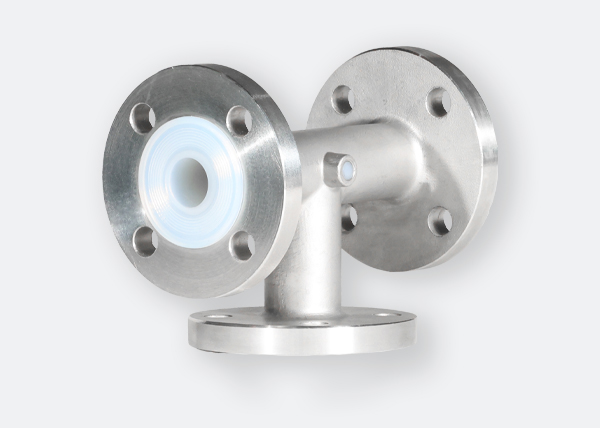
PTFE equipment is widely used in chemical processing, pharmaceutical production, food manufacturing, water treatment, electronics, and other demanding industrial environments because of its excellent chemical resistance, low friction coefficient, wide operating temperature range, and reliable non-stick performance. However, even though PTFE is known for durability, the service life of PTFE equipment still depends heavily on proper selection, correct installation, regular maintenance, and safe operating conditions. If you want to extend the service life of PTFE equipment, the key is not only choosing the right PTFE product, but also understanding how to reduce mechanical stress, thermal shock, chemical mismatch, and installation errors.
This guide explains how to extend the service life of PTFE equipment in a practical and SEO-friendly way. It covers PTFE definition, main advantages, common failure causes, maintenance tips, operating best practices, storage recommendations, inspection methods, and specification tables. The content is suitable for industrial blog pages, product category pages, knowledge centers, and technical directory pages. It contains industry-general information only and does not recommend any specific company.
PTFE stands for polytetrafluoroethylene, a high-performance fluoropolymer known for outstanding resistance to aggressive chemicals, extremely low surface energy, and stable performance across a broad temperature range. PTFE equipment refers to industrial components and products made fully or partially from PTFE materials. These may include PTFE tubes, PTFE-lined pipes, PTFE gaskets, PTFE seals, PTFE sheets, PTFE valves, PTFE diaphragms, PTFE bellows, PTFE bushings, and PTFE filtration components.
In many industries, PTFE equipment is selected when conventional plastics, rubbers, or metals cannot provide enough chemical resistance, cleanliness, or low-friction performance. Because PTFE is inert to most chemicals and does not easily absorb moisture, it is often used in corrosive and high-purity applications. Even so, PTFE equipment is not indestructible. Over time, wear, creep, compression set, improper assembly, excessive temperature changes, and harsh operating conditions can shorten service life.
Extending the service life of PTFE equipment has direct economic and operational benefits. Longer-lasting PTFE components reduce downtime, minimize replacement frequency, improve process stability, and help lower total ownership cost. In chemical and industrial systems, premature failure of PTFE equipment can cause leakage, contamination, production interruptions, safety risks, and higher maintenance expenses.
Service life is especially important in applications involving aggressive acids, solvents, high-purity fluids, or continuous thermal cycling. A well-managed PTFE system can remain reliable for a long time, but only when the material is used within its design limits. That is why understanding how to extend the service life of PTFE equipment is essential for engineers, buyers, maintenance teams, and plant operators.
Before discussing maintenance and service-life extension, it is useful to review the major advantages of PTFE equipment. These benefits explain why PTFE remains one of the most widely specified materials for harsh industrial environments.
| PTFE Advantage | Description | Industrial Benefit |
|---|---|---|
| Excellent chemical resistance | PTFE resists many acids, bases, solvents, and corrosive media. | Reduces chemical attack and extends component life. |
| Low friction coefficient | PTFE has one of the lowest friction levels of any solid material. | Minimizes wear, sticking, and operational resistance. |
| Wide temperature resistance | PTFE performs in both low and elevated temperature environments. | Supports stable operation in varied process conditions. |
| Non-stick surface | PTFE resists adhesion and build-up of many substances. | Improves flow, cleaning, and product purity. |
| Electrical insulation | PTFE is a strong electrical insulator. | Useful in electronics and insulation-related applications. |
| Moisture resistance | PTFE does not absorb water easily. | Maintains dimensional stability and performance. |
To extend the service life of PTFE equipment, you must first understand what causes failure or degradation. PTFE is chemically stable, but it can still be damaged by mechanical, thermal, or installation-related issues.
PTFE is softer than metals and many engineering plastics. If equipment is exposed to crushing force, over-tightening, impact, vibration, or repeated flexing, the material may deform or wear prematurely. For example, PTFE gaskets can fail if flange loads are uneven or too high.
Although PTFE has a broad operating temperature range, repeated rapid heating and cooling can create stress at joints, seals, and interfaces. Thermal cycling can also contribute to creep or loosening of fittings over time.
PTFE is highly chemical resistant, but not all PTFE equipment is suitable for every process condition. Fillers, backing materials, adhesives, metal supports, or reinforcement layers may have different chemical limitations. If the full assembly is not compatible with the media, service life may be reduced.
Many PTFE failures are installation-related rather than material-related. Over-tightening, misalignment, poor surface preparation, and incorrect torque can all damage PTFE equipment. Even minor assembly mistakes can shorten the life of seals, liners, and gaskets.
PTFE has low friction, but continuous contact with abrasive particles can still cause wear. Slurries, powders, and contaminated fluids may gradually erode PTFE surfaces.
PTFE naturally exhibits creep, also called cold flow, especially under sustained load. This means PTFE can slowly deform under pressure over time. In sealing applications, creep can reduce gasket compression and increase leakage risk.
The following best practices can significantly extend the service life of PTFE equipment across a wide range of industrial applications.
The first step in extending PTFE equipment service life is correct product selection. Not every PTFE component is designed for the same pressure, temperature, chemical exposure, or mechanical load. Choose the appropriate PTFE grade, shape, thickness, liner structure, and reinforcement based on the process.
For example, pure PTFE may be suitable for chemical compatibility, while filled PTFE may be better for wear resistance or reduced creep. In some cases, reinforced PTFE equipment offers improved mechanical stability. Always match product specification to actual operating conditions rather than using a general-purpose material by default.
Over-tightening is one of the most common causes of reduced service life in PTFE gaskets, seals, and fittings. Because PTFE is compressible and can creep under load, excessive torque can lead to deformation, leakage, or long-term loss of sealing performance.
Use recommended torque values, proper tightening sequence, and correct alignment. In bolted flange systems, tighten gradually and evenly in a cross pattern. Avoid forcing PTFE parts into place, and never use installation methods that create sharp stress points.
PTFE equipment performs best under uniform load. Misaligned pipes, off-center seals, and uneven support can create localized stress that accelerates wear. Make sure piping systems, housings, and mating surfaces are properly aligned before final assembly.
If PTFE tubes or liners are used in dynamic systems, ensure the design allows for movement, expansion, and vibration control. Support structures should reduce strain rather than transfer it to the PTFE component.
PTFE has strong thermal resistance, but stable temperature control still matters. Continuous operation near the upper temperature limit can shorten service life, especially if mechanical load or chemical exposure is also present.
Reduce abrupt temperature changes where possible. Allow equipment to warm up and cool down gradually. If a process involves steam, hot oil, cryogenic media, or frequent thermal cycles, select PTFE equipment that is specifically designed for those conditions.
Abrasion is a major threat to PTFE service life. Whenever possible, filter solids from process media, reduce particulate contamination, and avoid direct high-speed contact with abrasive slurries. If abrasive wear is unavoidable, choose reinforced or filled PTFE materials that improve wear performance.
Also inspect pumps, valves, and moving assemblies regularly. If abrasion begins to appear, correct the root cause quickly before it spreads to surrounding PTFE components.
Cleaning is important, but the wrong cleaning agent can damage PTFE assemblies indirectly by attacking metal inserts, adhesives, or reinforcement layers. Use cleaning chemicals that are compatible with the entire PTFE equipment system, not just the PTFE surface itself.
Gentle cleaning methods are usually preferable. Avoid harsh scraping tools, metal brushes, and abrasive pads that could scratch or deform the PTFE surface.
Routine inspection is one of the most effective ways to extend the service life of PTFE equipment. Small issues detected early are far easier to correct than a full failure after leakage or contamination has already occurred.
Common inspection points include surface wear, discoloration, deformation, cracks, loose fittings, compression loss, chemical swelling in non-PTFE components, and signs of leakage. Set inspection intervals based on operating severity, not just calendar time.
Poor storage can reduce service life before PTFE equipment even enters service. Store PTFE components in a clean, dry environment away from sunlight, dust, ozone, and physical compression. Avoid stacking heavy items on top of PTFE parts, especially gaskets and soft components.
Keep items in their original packaging when possible. Proper storage helps maintain geometry, cleanliness, and readiness for installation.
PTFE is not designed to resist repeated impact the way metal components can. Protect PTFE equipment from dropping, striking, or rough handling during transport and installation. Use protective packaging and careful handling procedures in the warehouse and field.
In industrial systems, service life is not only about how long the component lasts, but also how easily it can be inspected, cleaned, and replaced. Well-designed access points, modular assemblies, and standard dimensions can reduce installation errors and maintenance damage.
When PTFE equipment is easy to service, maintenance teams are more likely to follow correct procedures, which helps extend operational life.
Maintenance is central to service life extension. The following practices can help keep PTFE equipment in better condition for longer periods.
| Maintenance Practice | Purpose | Service-Life Benefit |
|---|---|---|
| Visual inspection | Check for cracks, deformation, wear, and leakage. | Detects problems before failure occurs. |
| Torque verification | Confirm that fasteners remain within specification. | Prevents over-compression and loosening. |
| Cleaning inspection | Remove buildup and examine surface condition. | Reduces contamination and abrasion. |
| Alignment check | Verify that parts remain properly positioned. | Reduces uneven stress and premature wear. |
| Seal replacement planning | Replace wear-prone components on schedule. | Prevents unscheduled shutdowns. |
| Operating record review | Track temperature, pressure, and chemical exposure. | Improves maintenance planning and troubleshooting. |
The following table provides general operating guidance for PTFE equipment. Exact values depend on product design, filler content, reinforcement, and application conditions. Always verify with project-specific specifications.
| Operating Factor | General Recommendation | Why It Matters |
|---|---|---|
| Temperature | Operate within the approved material range, avoiding sustained extremes. | Prevents thermal degradation and deformation. |
| Pressure | Maintain pressure within rated limits and avoid pressure spikes. | Reduces stress, creep, and seal failure. |
| Media compatibility | Confirm compatibility with the entire assembly, not only the PTFE layer. | Prevents chemical attack on secondary materials. |
| Vibration | Reduce excessive vibration through proper support and design. | Minimizes wear and loosening. |
| Mechanical load | Avoid concentrated loads, bending, and impact. | Prevents deformation and fatigue-related damage. |
| Cleaning method | Use non-abrasive, compatible cleaning practices. | Protects surface integrity and dimensional accuracy. |
Different PTFE products fail in different ways. Understanding each product type helps users choose the right maintenance approach.
| PTFE Equipment Type | Typical Use | Main Service-Life Risk | Extension Strategy |
|---|---|---|---|
| PTFE gaskets | Sealing in flange and joint assemblies | Creep, compression loss, uneven loading | Use correct torque, proper surface finish, and scheduled inspection. |
| PTFE tubes | Fluid transfer and lab systems | Kinking, abrasion, pressure stress | Protect from bending, support routing, and avoid sharp edges. |
| PTFE liners | Corrosion protection in pipelines and vessels | Bond failure, thermal stress, impact damage | Ensure proper installation and control temperature changes. |
| PTFE seals | Dynamic and static sealing | Wear, extrusion, heat buildup | Select correct geometry and verify load distribution. |
| PTFE sheets | Cutting, insulation, and lining applications | Scratching, compression marks, distortion | Store flat, handle carefully, and avoid concentrated load. |
| PTFE valves and components | Flow control and chemical handling | Wear from movement and contamination | Clean routinely and monitor moving parts. |
The following specification table offers a general overview of PTFE material characteristics. It is useful for technical content, procurement references, and SEO-rich product pages. Exact figures may vary by grade, filler content, processing method, and product design.
| Property | General PTFE Value | Notes |
|---|---|---|
| Material type | Fluoropolymer | High-performance thermoplastic polymer |
| Density | Approximately 2.1 to 2.3 g/cm³ | Depends on grade and fillers |
| Operating temperature | Broad range, often from very low temperatures to around 260°C | Application-specific limits apply |
| Chemical resistance | Excellent | Resists most common industrial chemicals |
| Friction coefficient | Very low | One of the lowest among solid materials |
| Electrical insulation | Excellent | Suitable for electrical applications |
| Water absorption | Extremely low | Supports dimensional stability |
| Wear resistance | Moderate to good, depending on formulation | Filled PTFE can improve performance |
| Creep resistance | Moderate | Load management is important |
Some PTFE equipment is designed with features that can help extend service life. These may include reinforced structures, filled compounds, controlled thickness, support layers, precision machining, and improved sealing geometry. For example, filled PTFE may be used when better wear resistance or lower deformation is required.
In sealing systems, design improvements such as better surface finish, improved flange alignment, and optimized gasket profile can significantly increase PTFE service life. In piping and transfer systems, smoother flow paths and better support can reduce turbulence, abrasion, and mechanical strain.
Early warning signs are valuable indicators of reduced service life. If you notice the following conditions, inspect the PTFE equipment as soon as possible.
Use the checklist below as a quick reference for PTFE equipment maintenance and reliability improvement.
| Checklist Item | Status Goal |
|---|---|
| Correct PTFE grade selected | Yes |
| Operating temperature within range | Yes |
| Pressure within rated limit | Yes |
| Installation torque verified | Yes |
| Alignment checked | Yes |
| Protection from abrasion provided | Yes |
| Inspection schedule established | Yes |
| Cleaning method approved for PTFE assembly | Yes |
| Storage conditions controlled | Yes |
| Replacement plan documented | Yes |
Yes, PTFE equipment can last a long time when it is correctly selected, installed, and maintained. Service life depends on the application, load, chemical exposure, and operating conditions.
The most common causes are incorrect installation, over-tightening, mechanical stress, abrasion, and thermal cycling. In many cases, failure is related to operating conditions rather than the PTFE material itself.
Some PTFE components may be reused if they remain undamaged and still meet performance requirements. However, sealing parts such as gaskets and seals are often replaced after removal to ensure reliable performance.
Inspection frequency depends on severity of service. High-temperature, high-pressure, abrasive, or corrosive systems should be inspected more frequently than low-stress applications.
In many wear-prone or load-bearing applications, filled PTFE can improve durability, reduce creep, and extend service life. However, chemical compatibility and application requirements must always be considered.
Extending the service life of PTFE equipment requires more than choosing a chemically resistant material. Long-lasting performance depends on correct product selection, careful installation, proper torque control, alignment, regular inspection, controlled temperature, abrasion prevention, and suitable storage. PTFE remains one of the most reliable materials for harsh industrial environments, but its service life can be shortened if the equipment is overloaded, misused, or maintained poorly.
By following the best practices in this guide, operators and maintenance teams can improve PTFE equipment reliability, reduce downtime, and protect process stability. Whether the application involves PTFE tubes, gaskets, seals, liners, or sheets, a proactive maintenance strategy is the most effective way to maximize PTFE equipment service life and ensure consistent industrial performance.
```
Адрес: №1, улица Цзинпоху, индустриальный парк Сусу, город Сюцян, провинция Цзянсу, Китай
Сюй Хао: +86 13813955525
Сюй Ган: +86 15189058237
Электронная почта: zhaojiguang@jsjcxcl.com.cn


Авторские права © 2023 Цзянсу Цзечуан Новые материалы Co., Ltd. карта сайта
Этот веб-сайт использует файлы cookie, чтобы обеспечить вам максимально эффективное использование нашего веб-сайта.

 English
 日本語
日本語 한국어
한국어 हिन्दी



 WhatsApp
 телефон
Комментарий
(0)